Composite Polymer Insulators
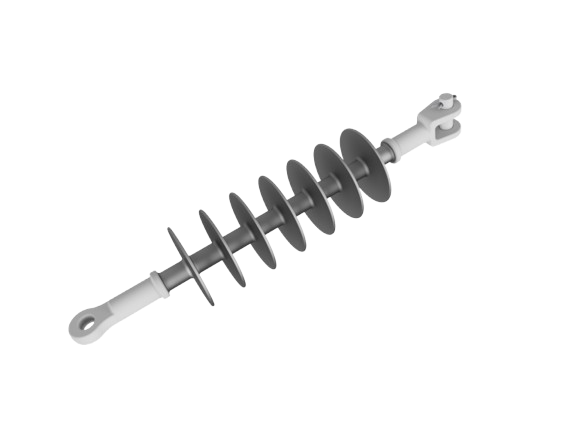
Engineered with FRP cores, silicone rubber housing, and precision metal fittings, our polymer insulators ensure superior mechanical strength, pollution resistance, and long-term reliability — truly living up to our promise of being Safe. Strong. Durable.
What Are Composite Polymer Insulators?
They replace traditional porcelain or glass insulators with lightweight, non-brittle, and corrosion-resistant alternatives suitable for harsh Indian climates.
Advantages at a glance
Suitable for polluted and harsh environments
Resistance to breakage and vandalism
Superior tracking and erosion resistance
Resistance to earthquake
Low leakage current
Environment friendly process of manufacture
Good mechanical and electrical characteristics
Light in weight - handling and transportation advantage
Easy to install and maintenance free
Excellent hydrophobicity, hence no need to clean


Why Choose VSPL Composite Polymer Insulators
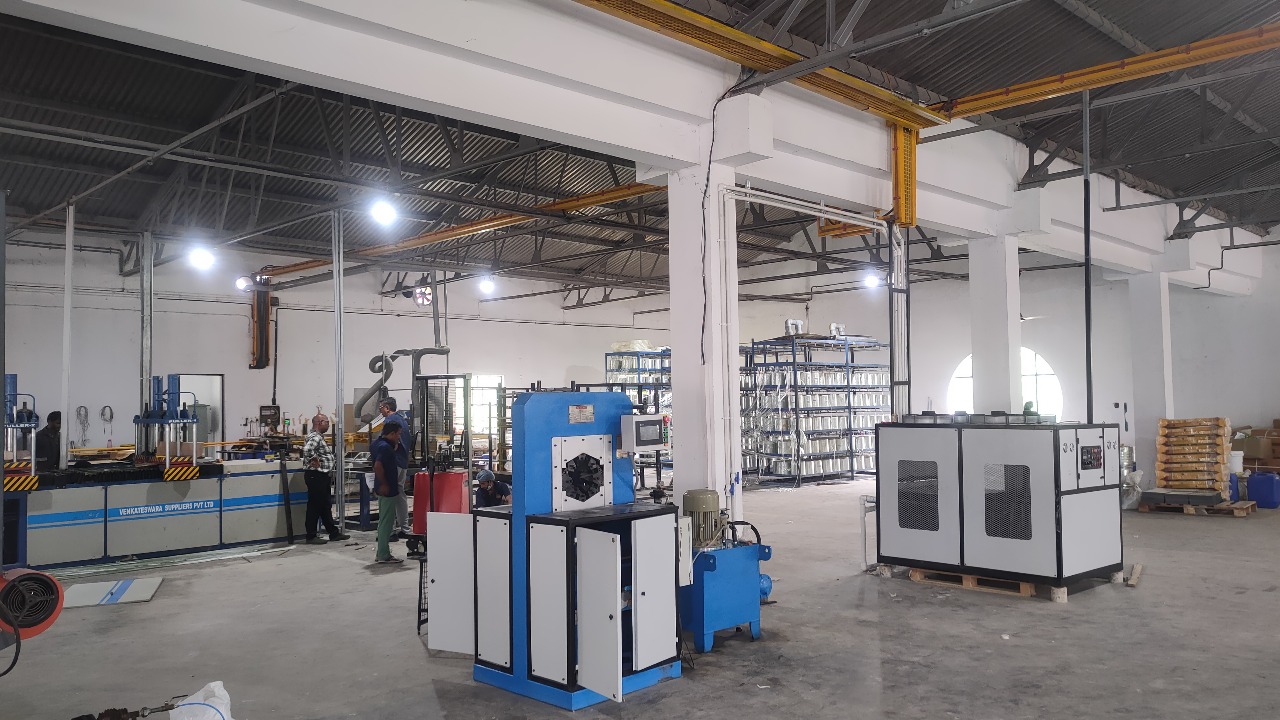
Our advanced Palakkad facility features in-house FRP pultrusion, HTV & LSR silicone moulding, and automated quality testing up to 200 kV.
Key Benefits:
Salient Features
VSPL insulators have qualified in 5000 hours Accelerated Ageing test as per IEC: 62217.
VSPL insulators have qualified in 1000 hours Tracking and Erosion test as per IEC: 62217.
Use of both HTV and LSR grades of silicone rubber depending upon the requirement of the product.
FRP rods are manufactured in-house using ECR grade Glass Fiber and Hydrolysis Resistant Epoxy Resin System.
The VSPL make composite silicone rubber insulators meet the requirements of IEC: 61109, IEC 62217, IEC: 60815, IEC: 62231, IEC: 61462, ANSI C29.13 and any relevant international standards.
Robust packing for easy handling, transportation and site storage.
Test Facilities
Our state-of-the-art testing laboratory ensures every product meets international quality standards
Silicon Rubber
- Tensile Strength
- Percentage Elongation
- Tear Strength
- Specific Gravity
- Hardness (Shore A)
- Inclined Plane Tracking & Erosion Test as per IEC:60587
- Moulding Machine for Making Rubber Sheets
FRP
- Dry Penetration
- Water Diffusion
- Percentage of glass content
- Water Absorption
- Brittle Fracture Resistance
- Bending Load Test
- Specific gravity
Metal Fittings
- Uniformity of Zinc coating
- Mass of Zinc coating
Insulators
- Non-Destructive Testing for bonding in the insulator
- Ultrasonic Crack Detection During Crimping
- Horizontal tensile test machine for test on long rod insulator including routine testing
- Bending test machine for Post and Railway Insulators
- High Voltage test up to 200kv
- Assembled core load-time test on all types of long rod insulators
FAQs
Polymer insulators are composite electrical insulators made with a fiberglass reinforced core and silicone rubber housing. They prevent electrical current from leaking into support structures while providing mechanical strength to hold conductors in place. Their lightweight, hydrophobic surface and high dielectric strength make them ideal for modern transmission and distribution networks.
Polymer insulators are lighter, more impact-resistant, and less prone to surface cracking than porcelain or glass insulators. They resist contamination, moisture, UV radiation, and thermal shock better, which reduces flashover risk and maintenance costs, especially in coastal, industrial, or high-pollution environments.
Polymer insulators are commonly installed in overhead transmission lines, distribution networks, substations, rail electrification projects, industrial power systems, and renewable energy installations. Their non-conductive and weather-resistant properties make them suitable for both rural and urban power infrastructure.
Polymer insulators have a hydrophobic silicone rubber surface that repels water and minimizes leakage currents, which significantly reduces flashover risks in coastal and high-pollution areas. This makes them more reliable than traditional insulators in challenging environmental conditions.
High-quality polymer insulators typically last 25–30 years or more when installed and maintained properly. Their UV resistance, mechanical strength, corrosion resistance, and hydrophobic performance all contribute to long-term durability. Harsh environmental exposure and electrical stress may affect lifespan but modern quality standards help minimize degradation.
Polymer insulators should comply with recognized international and national quality standards such as IEC, IS (Bureau of Indian Standards), or ANSI specifications. Compliance ensures that they meet required mechanical load limits, electrical insulation ratings, thermal stability, and weather resistance for reliable power system operation.
Yes, polymer insulators are engineered for both medium and high-voltage applications. Their excellent dielectric properties, high mechanical strength, and environmental resistance make them well-suited for long-distance transmission lines and high-voltage distribution networks demanding maximum reliability.
Polymer insulators typically require minimal maintenance compared to porcelain insulators. Their hydrophobic surface reduces contamination buildup, and routine visual inspection is usually sufficient. This lowers operational costs and minimizes downtime in industrial and utility installations.
By reducing flashovers, leakage current, and contamination buildup, polymer insulators help maintain consistent power flow and reduce outages. Their lightweight construction also simplifies installation and increases mechanical resilience, contributing to more reliable and efficient transmission and distribution networks.
You can request a product quotation or technical consultation by contacting VSL India through their website contact form, phone, or email. The technical team assists with specification recommendations, voltage rating selection, mechanical load requirements, and project-specific solutions tailored to your power system needs.
Get a Quote
Business Hours
Mon - Sat: 9:00 AM - 6:00 PM