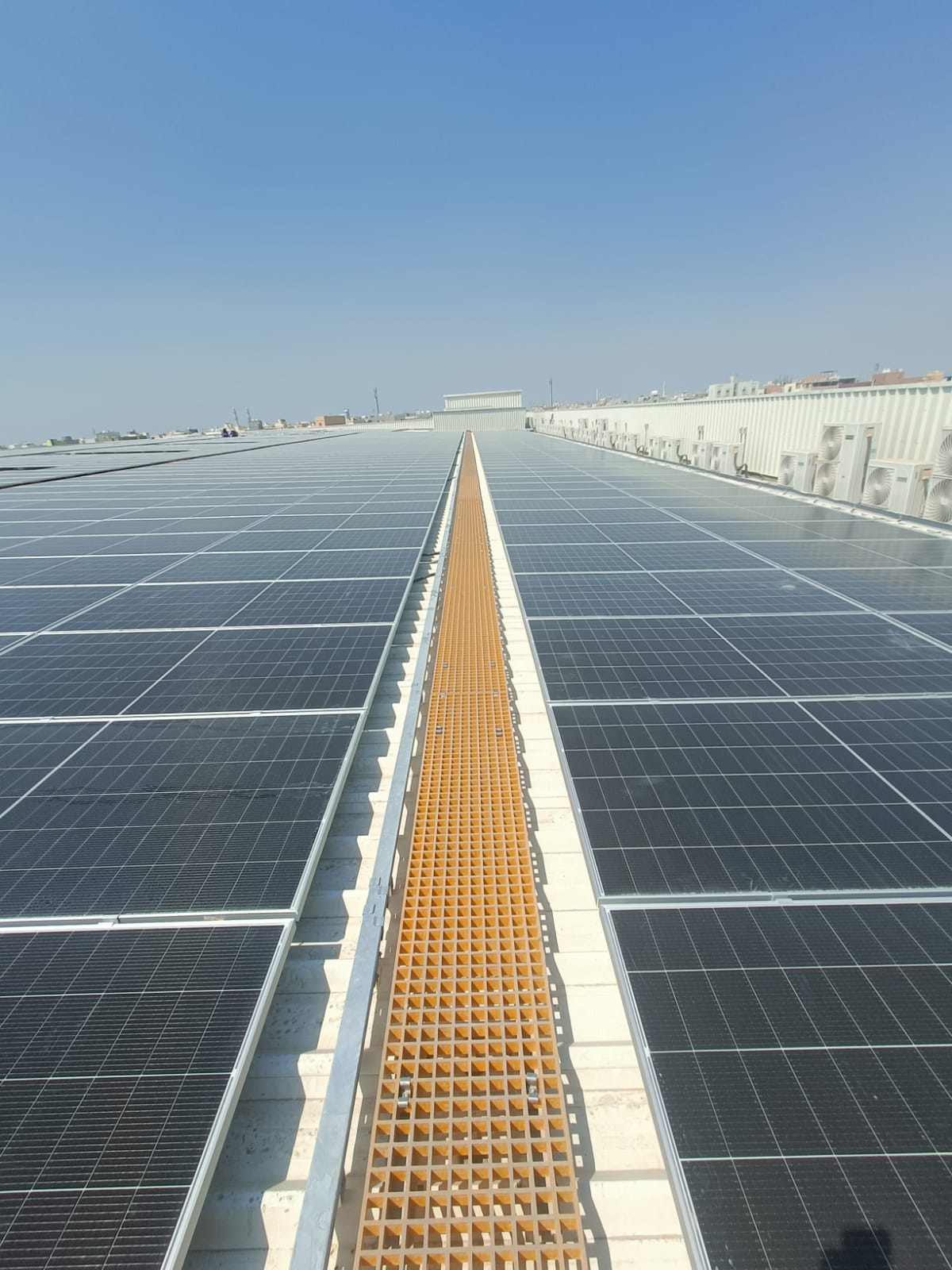
Fiber Reinforced Plastic (FRP) has revolutionized industrial applications across multiple sectors. Unlike traditional materials such as steel, aluminum, and concrete, FRP offers a unique combination of properties that make it ideal for demanding industrial environments.
Superior Corrosion Resistance
One of the most significant advantages of FRP is its exceptional resistance to corrosion. While steel requires regular maintenance, painting, and rust treatment, FRP products maintain their structural integrity for decades without any protective coatings.
Lightweight Yet Strong
FRP products are typically 75% lighter than steel while maintaining comparable strength. This weight reduction translates to:
- Reduced transportation costs
- Easier installation and handling
- Lower structural load requirements
- Reduced foundation costs
Long-term Cost Benefits
While the initial investment in FRP may be higher than traditional materials, the total cost of ownership is significantly lower due to:
- Minimal maintenance requirements
- Extended service life (20+ years)
- No need for protective coatings
- Reduced downtime for maintenance
Industry Applications
Leading industries are adopting FRP for various applications including chemical processing, water treatment, marine environments, and renewable energy infrastructure. The material's versatility and performance characteristics make it an ideal choice for modern industrial challenges.